

Bronchitis is a frequently occurring respiratory condition that can impact individuals of all ages, including both adults and children. However, when it occurs in kids, it can be particularly concerning for parents. This article explores bronchitis in children, including its causes, symptoms, treatment options, and ways to prevent it.
Understanding Bronchitis
Bronchitis is the inflammation of the bronchial tubes, which carry air to and from the lungs. This condition can be classified into two types, and a Southlake pediatrician can help determine the best course of care for your child:
Acute Bronchitis: A short-term condition that usually follows a cold or viral infection. It usually persists for several days to a few weeks.
Chronic Bronchitis: A long-term condition that is more common in adults and often associated with smoking or prolonged exposure to lung irritants. It lasts for months or recurs frequently.
In children, acute bronchitis is the most common form and is typically caused by viral infections. Though it is not usually a serious condition, it can be uncomfortable and distressing, especially for younger kids.
Causes of Bronchitis in Kids
Several factors can lead to bronchitis in children. The primary causes include:
1. Viral Infections
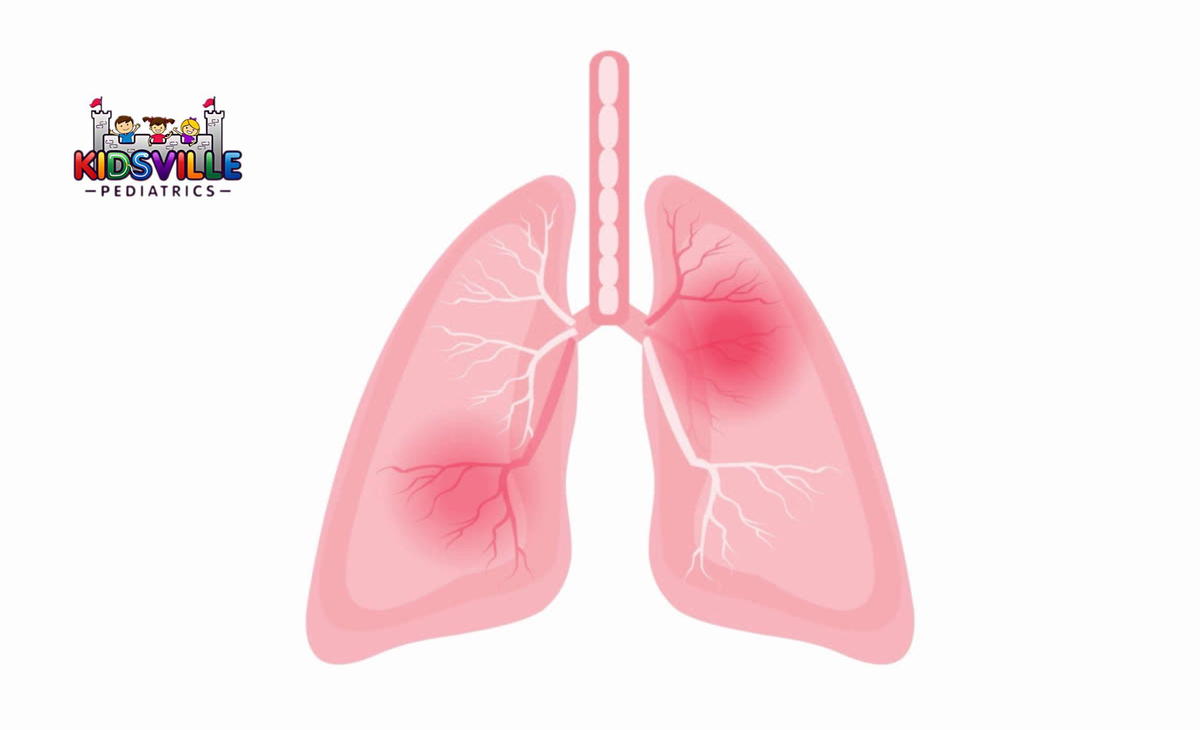
The most common cause of acute bronchitis in children is viral infections, such as:
Influenza (flu)
Adenovirus
Rhinovirus (common cold virus)
Coronavirus (including non-COVID strains that cause mild respiratory illnesses)
These viruses attack the bronchial tubes, leading to inflammation and mucus buildup. Because children’s immune systems are still developing, they are more susceptible to these infections, especially during cold and flu season. A pediatrician Southlake expert can provide guidance on managing symptoms and preventing complications.
2. Bacterial Infections

Although less frequent, bacterial infections can also be a cause of bronchitis. Some bacteria, such as Mycoplasma pneumoniae or Bordetella pertussis (whooping cough), can lead to bronchial inflammation. Bacterial bronchitis may require antibiotic treatment, which differs from viral bronchitis.
3. Environmental Irritants

Exposure to certain environmental factors can irritate the bronchial tubes and lead to bronchitis. These include:
Secondhand smoke from cigarettes or vaping
Air pollution from vehicle exhaust or industrial emissions
Dust and chemical fumes from household cleaners or construction materials
Pollen, mold, and other allergens
4. Weakened Immune System

Children with weakened immune systems due to chronic illnesses, malnutrition, or medical treatments such as chemotherapy are more prone to respiratory infections that can lead to bronchitis. Kidsville Pediatrics Southlake professionals offers expert care to help manage and prevent these infections in children.
5. Pre-existing Respiratory Conditions

Kids who have asthma, allergies, or frequent sinus infections may be more likely to develop bronchitis. In these cases, bronchitis can worsen their existing respiratory problems and require more intensive management.
Symptoms of Bronchitis in Kids
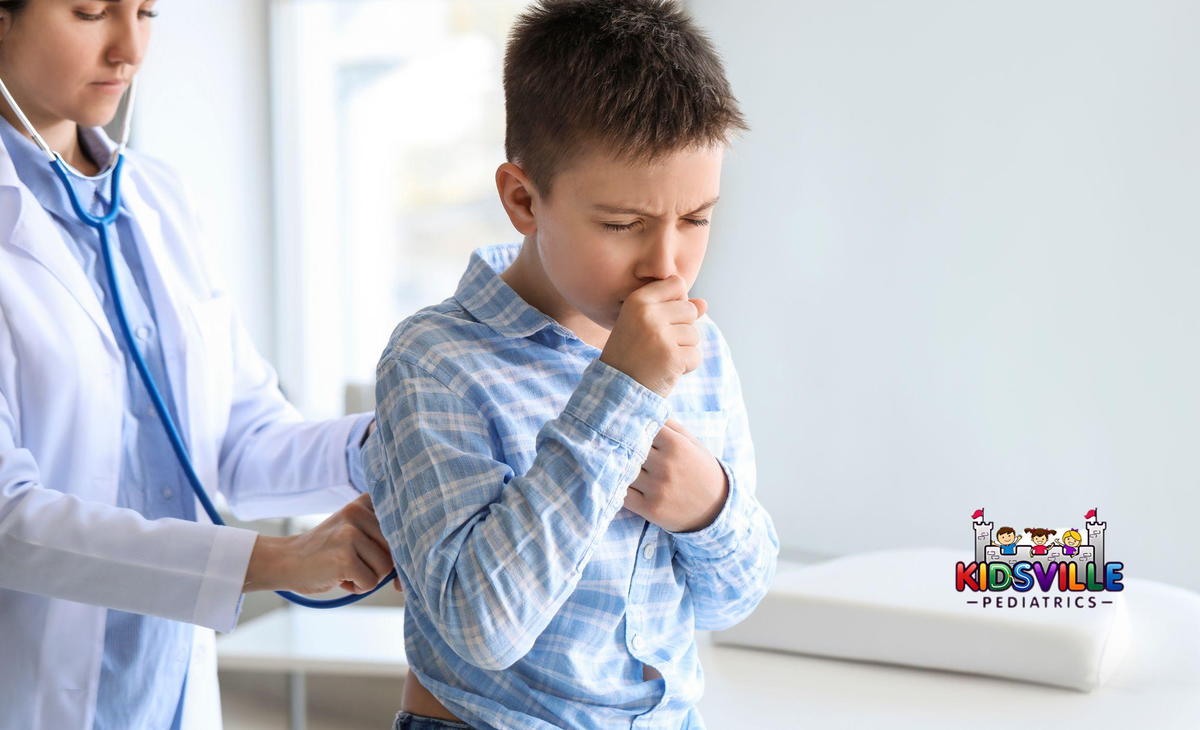
The symptoms of bronchitis in children can vary but typically include:
Persistent cough: Often starts dry and later produces mucus (phlegm), which can be clear, yellow, or green.
Wheezing: A whistling sound while breathing due to airway inflammation.
Chest discomfort: Tightness or pain in the chest from inflammation and excessive coughing.
Fatigue: Due to the constant coughing and breathing difficulties, children may feel tired and lethargic.
Fever: Mild to moderate fever in some cases, especially if a viral or bacterial infection is present.
Runny nose and congestion: Especially if the bronchitis is caused by a virus.
Shortness of breath: Trouble breathing, particularly following physical exertion.
Sore throat: Caused by postnasal drip or persistent coughing.
The symptoms of bronchitis can last anywhere from a few days to a couple of weeks. If they persist beyond three weeks, it may indicate a more serious condition, such as pneumonia, asthma, or another underlying issue. Southlake doctors can assess your child’s symptoms and provide the appropriate treatment.
Diagnosis of Bronchitis in Kids
A pediatrician can diagnose bronchitis in children through:
Medical History and Physical Exam: The doctor will listen to the child’s lungs with a stethoscope and ask about symptoms, recent illnesses, and exposure to smoke or allergens.
Chest X-ray: To rule out pneumonia if symptoms are severe or persistent.
Sputum Test: If bacterial infection is suspected, a sample of mucus may be tested for bacteria.
Pulse Oximetry: Measures oxygen levels in the blood to assess breathing efficiency.
Nasal Swab Test: To check for viral infections such as RSV or flu.
Treatment for Bronchitis in Kids

Most cases of bronchitis in children are mild and do not require antibiotics since they are caused by viruses. Treatment mainly focuses on symptom relief, and a pediatrician in Southlake can recommend the best care plan for your child’s recovery:
1. Rest and Hydration
Encourage your child to get plenty of rest to help their body fight the infection.
Provide fluids like water, warm broth, and herbal teas to loosen mucus and prevent dehydration.
2. Over-the-Counter Medications
Pain relievers: Medications like Acetaminophen or ibuprofen can help alleviate fever and discomfort.
Cough Suppressants: Not generally recommended for children under six years old unless advised by a doctor.
Saline Nasal Drops: Helps clear nasal congestion.
3. Humidifiers and Steam Therapy
Using a cool-mist humidifier in the child’s room can help ease breathing and loosen mucus.
Steam from a warm shower can also help open up the airways and provide relief.
4. Prescription Medications (If Necessary)
Bronchodilators: If wheezing is present, a doctor may prescribe an inhaler.
Antibiotics: Only prescribed if a bacterial infection is diagnosed.
5. Home Remedies
Honey: A teaspoon of honey (for children over one year old) can help soothe a cough and throat irritation.
Chicken Soup: Helps with congestion, soothes the throat, and provides nourishment.
Warm Fluids: Herbal teas or warm water with lemon can be soothing.
Complications of Bronchitis in Kids
While most cases resolve on their own, complications can arise, such as:
Pneumonia (lung infection)
Worsening asthma symptoms
Chronic bronchitis (if infections recur frequently)
Preventing Bronchitis in Kids
Prevention is key to reducing the risk of bronchitis in children. Here are some effective ways to protect your child:
Frequent Handwashing to prevent viral infections.
Avoiding Smoke and Pollutants by keeping your child away from cigarette smoke and strong fumes.
Vaccinations like the annual flu vaccine, pertussis vaccine, and pneumococcal vaccine.
Healthy Diet and Exercise to strengthen the immune system.
Managing Allergies to prevent bronchial irritation.
Pedia Near Me: Kidsville Pediatrics Southlake
Bronchitis in children is often a temporary condition caused by viral infections. While it can be distressing, most cases resolve with proper care at home. Parents can help their child recover by ensuring adequate rest, hydration, and symptom management. Preventive measures such as vaccinations, good hygiene, and avoiding irritants can significantly reduce the risk of bronchitis. However, if symptoms worsen or persist, seeking medical advice is crucial to ensure proper treatment and rule out any complications.
