
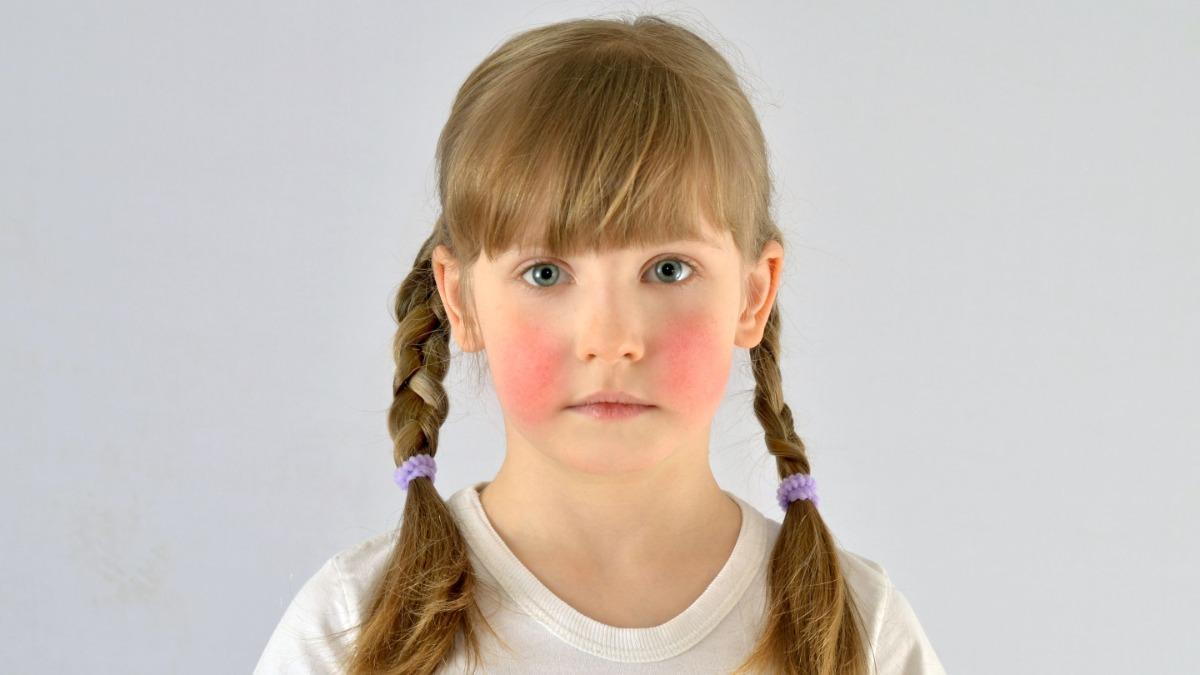
Fifth disease, also known as “slapped cheek syndrome,” is a common childhood illness that can catch many parents off guard. It’s usually mild, but its signature bright red rash and contagious nature can be a cause for concern—especially among pregnant women and immunocompromised individuals. In this article, we’ll explore what the fifth disease is, its symptoms, causes, how it spreads, when to seek care, and what you can do to prevent it.
What Is the Fifth Disease?

Fifth disease is caused by the parvovirus B19. The name "fifth disease" comes from a historical classification system of childhood rashes, where it was the fifth condition on the list. Other diseases in the group included measles, rubella, and scarlet fever.
While fifth disease can affect just about anyone, it is more common in children between the ages of 5 and 15. The illness is usually mild and resolves on its own, but in some cases, it can pose complications—especially during pregnancy or in people with certain blood disorders, which is why many parents turn to Southlake doctors for expert pediatric care and guidance.
How Does Fifth Disease Spread?

Fifth disease is highly contagious, especially in its early stages before the characteristic rash appears. It spreads through:
Respiratory droplets when an infected person coughs or sneezes
Close personal contact
Shared utensils or drinks
Once the rash appears, the contagious phase is usually over, which is often surprising to parents who assume the rash means the child is still infectious—a common concern addressed by Southlake pediatrics professionals.
Symptoms of Fifth Disease

Fifth disease typically develops in two phases:
1. Early Flu-like Symptoms (Stage One)
This stage can last a few days and resembles a mild cold or flu. Common symptoms include:
Low-grade fever
Headache
Fatigue
Sore throat
Runny or stuffy nose
Body aches
Because the symptoms are so mild and nonspecific, many parents don’t realize their child has fifth disease at this point—something a pediatrician Southlake TX expert can help identify during a routine visit.
2. Rash Appearance (Stage Two)
About 3 to 7 days after the first symptoms show up, the telltale “slapped cheek” rash appears. This rash is:
Bright red
Usually symmetrical
Appears on both cheeks
A few days later, a second rash may develop on the arms, legs, and torso. This pink rash may fade and could reappear for a few weeks, especially after sun exposure, a rigorous exercise, hot baths, or any stressful event.
In older children and adults, joint pain and swelling (arthropathy) may occur, particularly in the hands, wrists, knees, and ankles.
How Long Does Fifth Disease Last?
The illness often resolves in 1-3 weeks. Most children recover fully without medical treatment. However, the rash may linger or come and go for a few weeks before disappearing entirely.
Is Fifth Disease Dangerous?

In most healthy children, fifth disease is mild and self-limiting. However, there are a few cases where complications can arise:
1. During Pregnancy
If a pregnant woman contracts parvovirus B19, especially during the first half of pregnancy, it can cause complications, including fetal anemia, miscarriage, or hydrops fetalis (a rare but serious condition where abnormal amounts of fluid build up in a baby’s tissues). Pregnant women who are exposed to fifth disease must immediately inform their Southlake doctor immediately.
2. In People with Blood Disorders
Children with conditions like sickle cell anemia or thalassemia are at risk of developing aplastic crisis, where red blood cell production temporarily shuts down. This can lead to severe anemia and requires urgent medical attention.
3. In Immunocompromised Individuals
Those undergoing chemotherapy, organ transplant recipients, or people with immune system deficiencies may have trouble clearing the virus, leading to chronic anemia or other complications.
Diagnosis
Southlake pediatricians usually diagnose fifth disease looking at the distinctive rash as well as the history of symptoms. In uncertain cases—especially in pregnant women or people at higher risk—blood tests may be ordered to check for parvovirus B19 antibodies to confirm current or past infection.
Treatment
There isn’t a specific antiviral treatment for this condition. Antibiotics are not effective either because they are not caused by bacteria. In most cases, treatment is focused on relieving symptoms, such as:
Fever and aches: Acetaminophen or ibuprofen (as advised by your pediatrician)
Itchiness: Cool compresses or antihistamines
Rest and hydration
Children with weakened immune systems or those experiencing complications may require additional treatment, including hospitalization or blood transfusions.
Pedia Near Me: Kidsville Pediatrics Southlake
Most cases are mild and do not even require medical attention. However, you should contact your Southlake pediatrician if:
Your child has a high or prolonged fever
The rash lasts longer than a few weeks or gets worse
Your child has trouble breathing or shows signs of severe fatigue or pallor
You are pregnant and think you’ve been exposed
Your child has a chronic condition like sickle cell anemia
Can You Prevent Fifth Disease?
There is no vaccine that can keep fifth disease at bay. You can, however, reduce the risk of spreading it by teaching following basic hygiene practices to your kids:
Frequent handwashing with soap and water
Teaching children to cover coughs and sneezes
Avoiding close contact with people who are sick
Disinfecting surfaces like toys and door handles regularly
Since individuals are most contagious before the rash appears, it's often difficult to prevent the spread in classrooms and daycares. That’s why hygiene remains the best defense.
Can a Child Go to School With Fifth Disease?
Because children are usually no longer contagious once the rash appears, they can typically return to school or daycare if they feel well enough. However, it’s always good practice to notify the school so that parents of immunocompromised children or pregnant staff can be informed.
Fast Facts About Fifth Disease
It is most common in late winter to early spring, but can occur year-round
Once infected, most people develop lifelong immunity
About 50-80% of adults are immune due to past infection
It is not the same as parvovirus in dogs, which does not infect humans
Adults can get fifth disease too—especially teachers, parents, and healthcare workers
Fifth disease can be unsettling to see for the first time—especially the bright red cheeks and persistent rash. But for most kids, it’s a brief and relatively harmless illness that clears up on its own. Being informed about the symptoms, transmission, and potential risks can help parents manage it with confidence and seek timely care if necessary.
As with any childhood illness, if you’re ever unsure or concerned, don’t hesitate to consult your Southlake pediatrician. Prompt communication and observation can make all the difference in ensuring a smooth and healthy recovery from fifth disease.
