
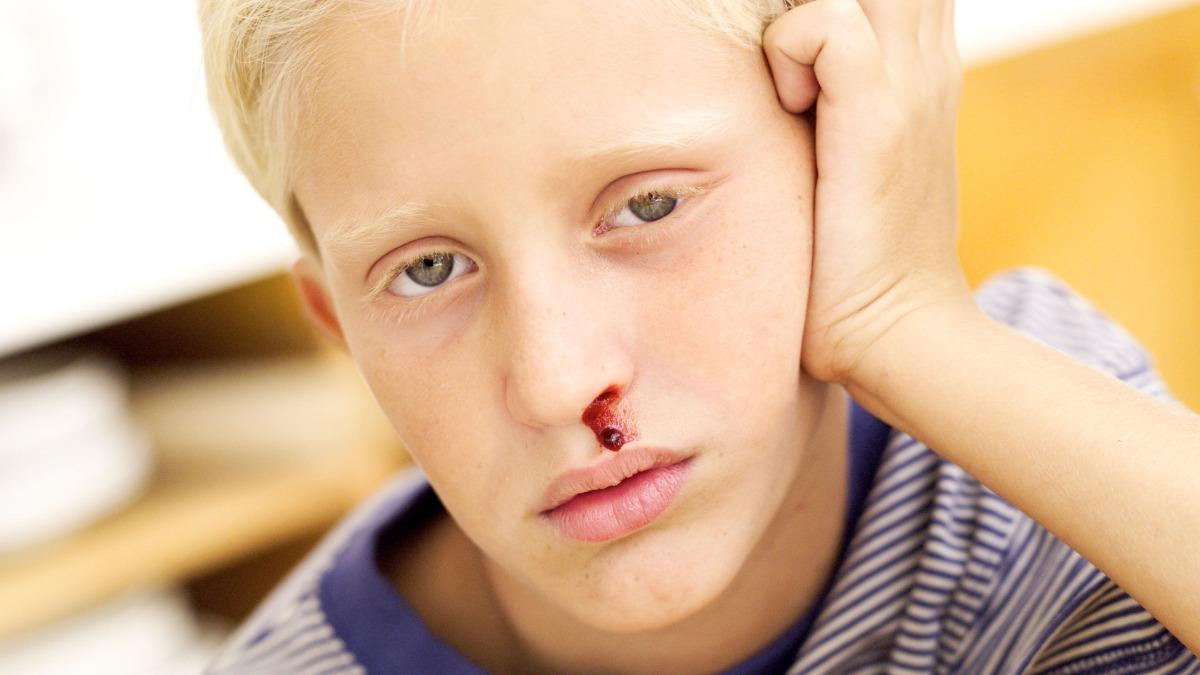
Nosebleeds, medically known as epistaxis, often seem to become more frequent during the summer months—and there’s a good reason for that. While they can happen year-round, certain seasonal conditions make children and adults more vulnerable to nosebleeds when temperatures rise. From dry air to allergies, even systemic conditions, here’s a closer look at nosebleeds and what causes them.
Epistaxis: Is it more common in Summer?

1. Dry Air
Even though we often associate dryness with winter, summer’s hot, dry climate—especially in regions with low humidity or heavy air conditioning—can significantly dry out the nasal passages. When the nasal lining becomes too dry, it can crack or form crusts. Minor actions like rubbing, picking, or even blowing the nose can then trigger bleeding. This is more common in kids, whose nasal blood vessels are quite delicate. For further guidance, Southlake doctors can offer advice on managing these seasonal challenges.
2. Heat and High Temperatures
Warm weather doesn’t just dry out the air—it also causes blood vessels to expand (dilate). In the nose, this means the tiny capillaries just beneath the surface of the nasal lining are more likely to rupture, especially when subjected to sudden pressure. Whether your child is vigorously blowing their nose or experiencing mild trauma to the face during play, heat-related vessel dilation can make nosebleeds more likely.
3. Seasonal Allergies
Summer allergies, triggered by pollen, grass, and outdoor molds, can inflame the nasal passages. This irritation often leads to frequent nose blowing, sneezing, or nose rubbing, all of which can injure already sensitive tissue. Inflammation also makes blood vessels more fragile, increasing the likelihood of bleeding.
4. Swimming in Chlorinated Pools
A favorite summer activity—swimming in chlorinated pools—can sometimes contribute to nosebleeds. Chlorine is a strong chemical that can dry out and irritate the nasal lining, especially for children with sensitive skin or existing allergy symptoms. Repeated exposure, such as daily swimming, can worsen the dryness and irritation.
5. Sunburn and Dehydration
Prolonged sun exposure can lead to sunburn, not just on the skin but even around the nose. Meanwhile, dehydration, which is common during outdoor play in hot weather, reduces overall moisture in the body—including the nasal passages. When the body is dehydrated, mucous membranes dry out, making them more vulnerable to cracking and bleeding.
Systemic Conditions That Can Contribute to Epistaxis

An epistaxis is often triggered by local trauma or environmental factors, but systemic conditions can also play a significant role. When nosebleeds occur frequently or severely, it may indicate an underlying systemic issue. Understanding these contributing factors is key to proper evaluation and management.
Hypertension (High Blood Pressure)
Chronic high blood pressure can weaken and stress the blood vessels throughout the body, including the delicate vessels inside the nasal passages. The increased pressure makes these vessels more prone to rupturing, especially when exposed to minor irritation, dry air, or nasal inflammation.
While hypertension alone may not directly cause nosebleeds, it significantly raises the risk and severity of bleeding episodes. In individuals with uncontrolled or poorly managed high blood pressure, epistaxis can be a recurring concern. If you’re concerned about your child’s health, a pediatrician Southlake TX expert can provide valuable guidance and support.
Bleeding Disorders
Inherited bleeding disorders such as von Willebrand disease and hemophilia impair the body's ability to form blood clots. In the former, a deficiency or dysfunction of von Willebrand factor results in excessive bleeding from the nose and other mucosal surfaces. Hemophilia, typically affecting males, results from a lack of clotting factors like Factor VIII or IX, and can lead to spontaneous or prolonged nosebleeds. In both cases, the bleeding is often more severe and takes longer to stop.
Vascular and Cardiovascular Diseases
Conditions affecting the blood vessels, such as arteriosclerosis or vascular malformations, can compromise the structural integrity of the nasal blood vessels. Cardiovascular diseases may also alter circulation and increase pressure within the vascular system, creating a higher likelihood of bleeding.
Patients with these conditions may experience recurrent or unexplained episodes of epistaxis, particularly in the presence of other risk factors. If your child experiences frequent nosebleeds, consulting a pediatrician Southlake professional can help identify any underlying issues and ensure appropriate treatment.
Liver Dysfunction
The liver is essential in producing many of the body's clotting factors. When the liver is diseased—due to conditions like cirrhosis or hepatitis—its ability to produce these factors declines. As a result, individuals with liver dysfunction may bleed more easily, and nosebleeds can become more common and difficult to manage. Low platelet counts, often associated with advanced liver disease, further compound the bleeding risk.
Other Systemic Factors
Several rare but serious systemic conditions can also contribute to nosebleeds. Hereditary hemorrhagic telangiectasia (HHT) is a genetic disorder characterized by abnormal blood vessel formation, leading to frequent, spontaneous bleeding episodes. Blood dyscrasias and hematologic malignancies (such as leukemia) can also impair clotting and increase bleeding risk. These conditions often require thorough hematologic evaluation and specialist care.
How to Treat a Child’s Nosebleed at Home: A Step-by-Step Guide

Nosebleeds in children are usually harmless and can often be treated effectively at home. The key is to stay calm, act quickly, and follow a few simple steps to stop the bleeding and prevent further irritation. Here’s how:
1. Calm and Comfort Your Child
First and foremost, help your child stay calm. Crying, panicking, or hyperventilating can increase blood flow and make the bleeding worse. Speak gently, offer reassurance, and guide them through the steps while staying composed yourself. If you have concerns or need further guidance, a pediatrician in Southlake can offer expert advice on how to manage your child’s nosebleeds effectively.
2. Proper Positioning Matters
Sit your kid upright and ask them to lean slightly forward. This position reduces blood pressure in the nasal blood vessels and prevents the blood from running down the throat, which can cause nausea, coughing, or vomiting.
3. Apply Direct Pressure
Use tissue, a clean cloth, or your fingers, to pinch the soft part of the nose—right below the bony bridge. Maintain firm, steady pressure for at least 5 to 10 minutes without interruption. Resist the urge to check if the bleeding has stopped before the full time has passed, as this may disrupt clot formation.
4. Use a Cold Compress
Apply cold compress or an ice pack to the nose bridge. The cold. Check that the compress is wrapped in cloth so it avoids direct skin contact. For further advice on managing nosebleeds, a Southlake pediatrician can provide helpful tips and recommendations.
5. Spit Out Any Blood
Encourage your child to spit out any blood that enters the mouth rather than swallowing it. Ingesting blood can irritate the stomach and lead to nausea or vomiting, which may worsen the bleeding, as advised by our team at Kidsville Pediatrics Southlake.
6. Practice Gentle Aftercare
Once the bleeding stops, help your child avoid blowing, picking, or rubbing the nose for the next couple of days. This gives delicate blood vessels time to heal and reduces the chance of a repeat nosebleed. Consider using a saline spray or a humidifier to keep the nasal lining moist during recovery.
Pediatrician Near Me: Signs Kidsville Pediatrics Southlake
While most epistaxis incidents are minor, some situations call for professional evaluation. Seek medical care if:
The bleeding won’t stop or remains heavy even after 10 to 20 minutes of direct pressure.
Your child feels dizzy, weak, or faints, which could be a sign of significant blood loss.
The nosebleed follows a head injury or fall, as this could indicate a more serious condition.
Epistaxis is frequent or recurring, which may suggest an underlying medical issue such as a bleeding disorder or nasal abnormality. A pediatrician or ENT specialist can help identify the cause.
The child recently started a new medication, especially blood thinners or nasal sprays. Consult your Southlake pediatrician to ensure the treatment isn’t contributing to the problem.
Anticoagulant Therapy
Many individuals take medications like warfarin, aspirin, or newer anticoagulants (e.g., apixaban, rivaroxaban) to prevent blood clots. While these drugs are vital for managing conditions like atrial fibrillation or after surgery, they also increase the risk of bleeding, including from the nasal passages. Even a minor nasal injury or spontaneous rupture of a vessel can lead to a prolonged or heavy nosebleed in someone on blood thinners.
Medications
In addition to anticoagulants, other drugs can elevate the risk of nosebleeds. NSAIDs (such as ibuprofen and naproxen) can interfere with platelet function, while antihistamines and decongestants can dry out the nasal mucosa, making it more susceptible to cracking and bleeding. Long-term or combined use of these medications may predispose individuals to more frequent episodes of epistaxis. If you’re concerned about medication-related nosebleeds, a Southlake clinic can offer guidance and recommend the best course of action.
