
As summer winds down and back-to-school season creeps in, there’s more to prepare than just school supplies and new shoes. If you're a parent in Texas, one of the most important steps you can take for your child’s health—and to avoid any last-minute surprises—is making sure you're up to date with the childhood immunization schedule. It's not just a checklist; it's a requirement.
Keeping track of vaccines can feel overwhelming, especially with the many grade-level milestones and health guidelines to consider. But don’t worry—you’re not alone. Every parent wants to do what's best for their child, and staying informed about immunization requirements is a smart and necessary part of that. The childhood immunization schedule for the upcoming 2025–2026 school year in Texas outlines essential protection your child needs before walking through those school doors.
Whether your child is just starting kindergarten or heading into their final year of high school, these immunizations are designed to guard against serious, contagious diseases and keep everyone in the school community safe.
So before the halls fill with laughter and learning, take a moment to review what’s expected, what’s recommended, and how you can make this process easier for both you and your child. Whether you're checking records or scheduling an appointment with a pediatrician McKinney TX expert, this guide will walk you through everything you need to know about getting ready for the school year—one vaccine at a time. We’ll cover the fundamentals and help you feel prepared.
Kindergarten-12th Grade
Diphtheria, Tetanus, and Pertussis (DTaP)
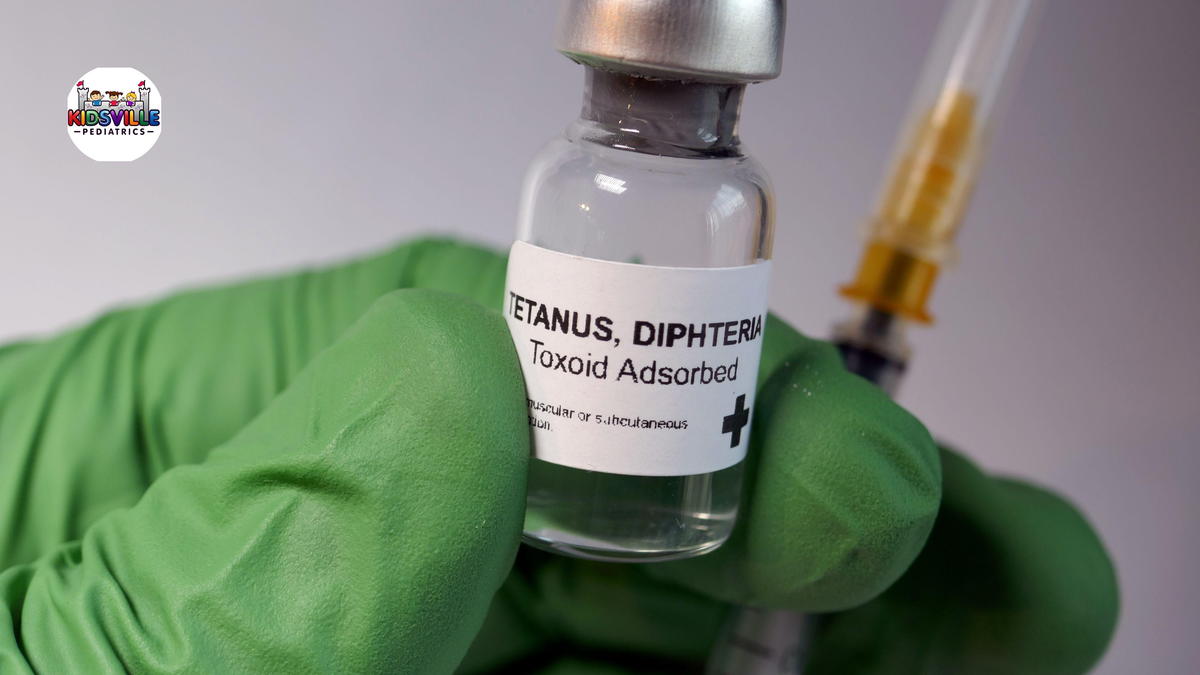
These three diseases can be life-threatening, especially for children. Diphtheria affects the throat and can lead to breathing problems, paralysis, or even death. Tetanus, also known as “lockjaw,” leads to severe muscle tightening and discomfort. Pertussis, or whooping cough, leads to uncontrollable coughing fits that make it hard for your child to breathe, eat, or sleep—and it's highly contagious.
According to the childhood immunization schedule, your child must be fully vaccinated with the DTaP series before attending school. This means a total of five doses, usually given from infancy through kindergarten, must be completed and documented.
Polio

Polio isn’t gone for good—it still poses risks in parts of the world. It attacks the nervous system and can cause paralysis in a matter of hours. The inactivated polio vaccine (IPV) is required for Texas students, and your child must be fully vaccinated to enroll in school. Typically, four doses are given by the time your child reaches age 6. This critical piece of the childhood immunization schedule helps ensure that outbreaks don’t reemerge in your community.
Measles, Mumps, and Rubella (MMR)
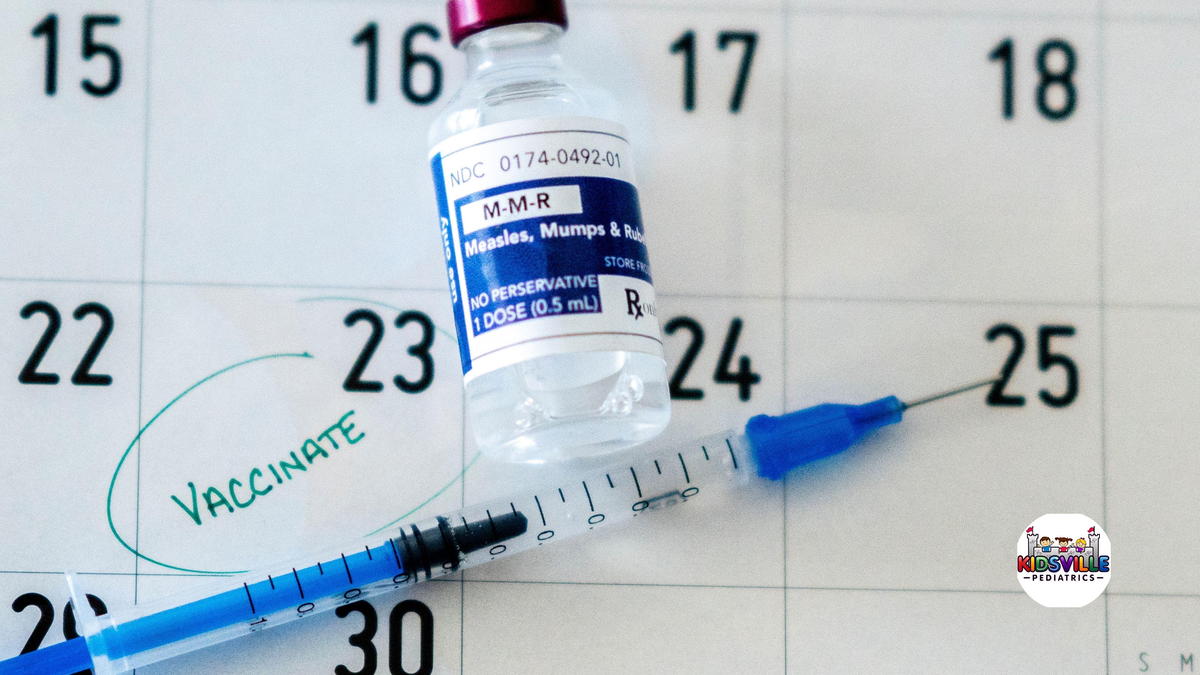
With one dose, the MMR vaccine helps prevent three significant childhood infections. Measles spreads easily and can lead to pneumonia, brain swelling, and even death. Mumps causes painful swelling of the salivary glands and may result in hearing loss or meningitis.
Rubella, or German measles, is dangerous during pregnancy and can cause birth defects. Texas requires two doses of MMR, starting after the first birthday, with the second given before kindergarten. Make sure both doses are on record to keep your child compliant with the childhood immunization schedule.
Hepatitis B

Hepatitis B is a liver infection spread through blood or body fluids. While children may not show symptoms right away, the disease can turn chronic and cause liver damage or cancer later in life. Your child must have all three doses of the hepatitis B vaccine before entering any grade level in Texas schools. These doses are typically spaced out over six months, starting from birth. A local McKinney clinic, like Kidsville Pediatrics, can provide the full vaccine series and help keep your child’s records up to date for school enrollment.
A trusted McKinney pediatrician can help ensure your child’s vaccination schedule is on track and answer any questions you may have along the way.
Varicella (Chickenpox)

Chickenpox isn’t just an itchy inconvenience—it can lead to serious skin infections, pneumonia, or inflammation of the brain. Texas requires two doses of the varicella vaccine for school-aged children. If your child has already had chickenpox, you may be able to provide a physician-signed verification of disease history instead. But if not, both doses are needed as part of the school-required childhood immunization schedule.
Meningococcal (MCV4)
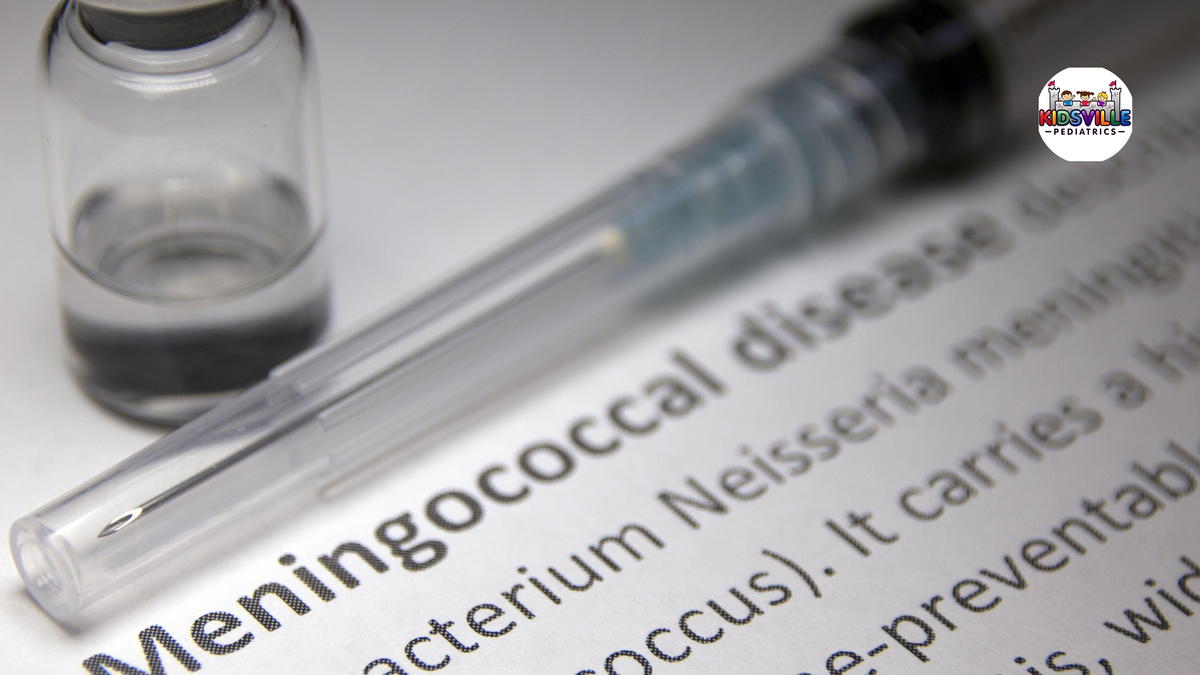
Meningococcal disease progresses rapidly and can result in brain damage, limb loss, or death within hours. Students in grades 8 through 12 must receive one dose of the MCV4 vaccine. This vaccine is especially important for teens, who are more at risk due to close contact settings like classrooms, sports teams, and sleepovers. McKinney pediatrics doctors can help you schedule this critical vaccine and ensure your teen meets all school immunization requirements on time.
Hepatitis A

For kindergarten through sixth grade, the hepatitis A vaccine is a must. Spread through contaminated food or water, this liver infection can make kids seriously ill. Texas requires two doses of this vaccine, starting at age 1, to be completed before your child enters school.
Provisional Enrollment
If your child hasn’t completed all required vaccines but has received at least one dose of each, they may qualify for provisional enrollment. This allows them to start school while completing the remaining doses in a vaccine series—as long as they are not overdue for any scheduled shots. Our team at Kidsville Pediatrics McKinney can help you stay on track with follow-up doses and ensure your child meets all state requirements.
Under the childhood immunization schedule, full compliance is still expected. You must ensure your child completes all vaccinations by the first date of attendance, or they may be excluded from school until the requirement is met.
Exemptions
Texas law recognizes certain exemptions from required immunizations. These include medical exemptions, which require a signed statement from a licensed physician, and exemptions for members of the armed forces. There’s also a provision for personal belief exemptions, including religious objections. However, not all schools are required to honor them.
If your child is attending a private school that does not receive state funding, the school has the right to refuse admission to students with exemptions. It’s important to check your school’s policy before assuming your child will be accepted under an exemption.
For guidance on exemptions and vaccine requirements, consult the best pediatrician in McKinney TX to make informed decisions for your child’s health and school readiness.
Reporting Requirements
All immunizations given to individuals under 18 in Texas must be reported to the Texas Immunization Registry (ImmTrac2). This includes vaccines recorded by healthcare providers and health insurance payors. Even if you didn’t give explicit consent, the law still requires these records to be submitted.
ImmTrac2 is a confidential and secure system that keeps track of your child’s immunization history. Staying on top of your child’s childhood immunization schedule through this registry can help you meet school requirements and avoid any surprises at enrollment.
Pedia Near Me: Kidsville Pediatrics
As the 2025–2026 school year approaches, take a proactive role in your child’s well-being—review the requirements now and make those appointments early. Their health—and their education—depends on it.
Staying on track with the childhood immunization schedule is one of the most important ways you can protect your child’s health and keep them school-ready. With clear guidelines from the state of Texas and tools like ImmTrac2 to help you stay organized, you’re never alone in this process. Whether you're managing exemptions, navigating provisional enrollment, or simply double-checking doses, following the schedule ensures your child doesn’t miss a step.
