
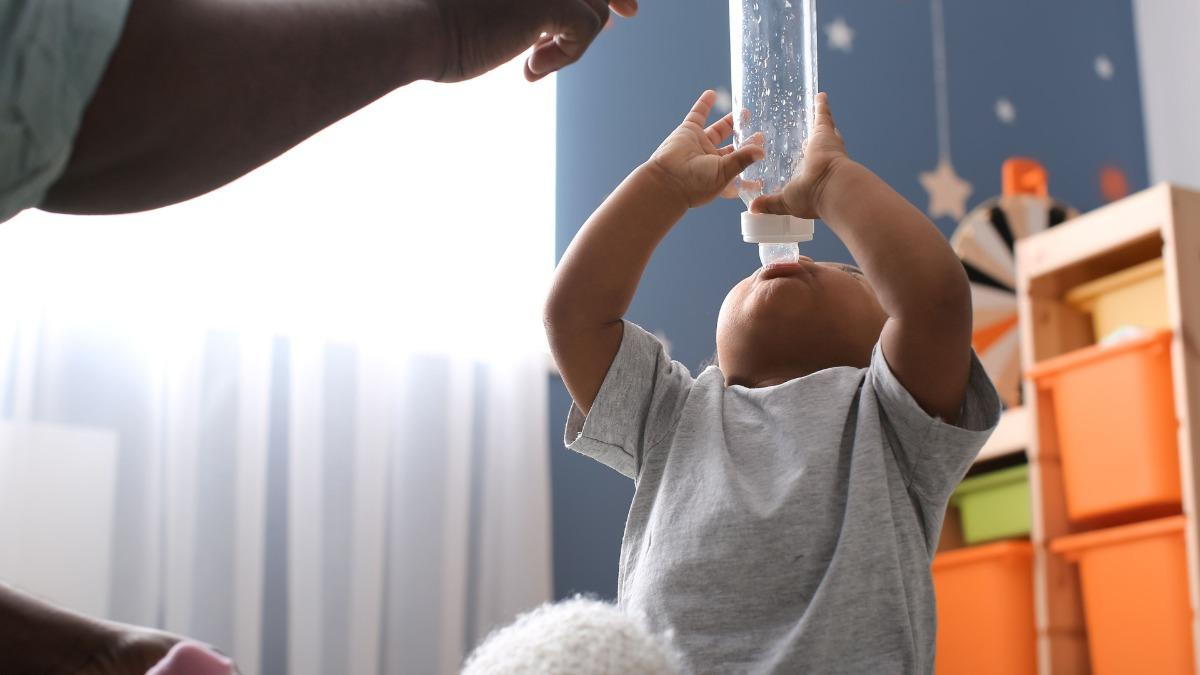
One of the key milestones in your child’s early development is weaning from bottle to cup. While this change can feel daunting for both toddlers and their parents, it’s an essential step toward supporting healthy oral habits, motor skills, and growing independence.
Many parents wonder: When is the right time? How do I start? What if my child resists? This article, with insights from a pediatrician McKinney TX expert, explores the when, why, and how of making the switch—offering gentle strategies to help your child confidently trade in the bottle for a big-kid cup.
Why Transition from Bottle to Cup?
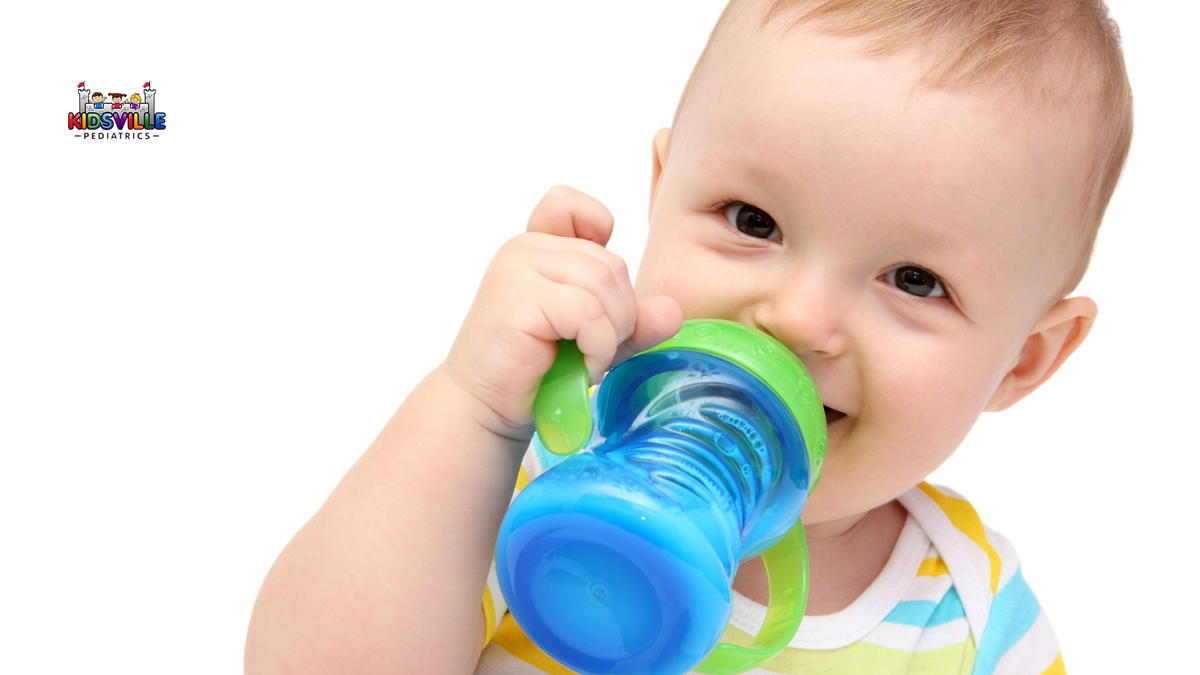 Though bottles offer comfort and familiarity, prolonged bottle use can lead to health concerns, including:
Tooth decay: Frequent exposure to milk or juice, especially when a child falls asleep with a bottle, can lead to cavities and early childhood tooth decay.
Speech delays: Extended bottle use may interfere with tongue and jaw development, possibly affecting speech clarity.
Iron deficiency: Bottle-fed toddlers may consume excess milk, which can interfere with iron absorption and lead to anemia.
Feeding issues: Relying on the bottle too long can delay progress in self-feeding and trying new textures.
That’s why weaning from bottle by 18 months is recommended by the American Academy of Pediatrics (AAP). Starting around 12 months helps ensure a smoother transition and fewer long-term complications.
Signs Your Child Is Ready

Not every toddler is eager to give up the bottle, but some signs suggest they may be ready to try something new:
They can sit independently and self-feed with fingers or utensils.
They’re curious about cups and try to grab yours during mealtimes.
They’re able to hold a cup with two hands and bring it to their mouth.
They’re drinking other liquids like water or juice from a sippy cup or straw.
Recognizing these cues is an excellent first step toward weaning from bottle and helping your child build healthy mealtime habits.
Choosing the Right First Cup

There’s a dizzying array of training cups on the market. Which one is best? Here’s a breakdown of your options—plus tips from a trusted McKinney pediatrician to help you choose what’s right for your child:
Spouted sippy cups: Familiar and reduce spills, but they offer limited support for oral motor development.
Straw cups: Great for strengthening mouth muscles and supporting speech.
360 cups: Mimic regular cups while minimizing messes, encouraging real sipping.
Open cups: Best for motor development, though they can be messier—perfect for home practice.
Let your child explore different types. Involving them in cup selection can increase enthusiasm and make weaning from bottle more fun and less frustrating.
How to Start the Transition

Every child is different, but the following strategies can help create a smooth, low-stress shift from bottle to cup:
Start Slowly
Offer a training cup during meals while still using the bottle at other times. Begin by serving water or milk once a day in a cup, then gradually increase frequency.Offer Praise and Encouragement
Celebrate small wins: “You drank all by yourself!” or “Big kid cups are cool!” Encouragement builds confidence and keeps things positive—a tip many parents hear from their trusted McKinney doctor during wellness visits.Lead by Example
Toddlers love to imitate. Let them see you drink from a cup to model the behavior naturally.Replace One Bottle at a Time
Start with midday feedings. Introduce the cup, but keep the rest of the routine the same to ease the transition and reduce pushback.Make It Fun
Let your toddler pick out a favorite color or character-themed cup. Turning weaning from bottle into an exciting experience increases cooperation.Be Patient with Spills
Accidents will happen. Keep bibs and towels nearby, but avoid frustration. It’s all part of learning.
Naptime and Bedtime Bottles: The Hardest to Let Go

For many toddlers, the bedtime bottle provides comfort and security, making it the trickiest to give up. Here are some helpful ideas:
Create a new routine: Swap the bottle with quiet-time activities like stories, lullabies, or soft cuddles.
Move the milk earlier: Offer milk in a cup before bedtime begins. Follow up with tooth brushing and move right into the usual bedtime routine.
Offer water instead: If they want something at bedtime, try water in a cup to help separate comfort from milk.
As with all parts of weaning from bottle, consistency and compassion make a big difference.
Common Challenges—and How to Overcome Them
Even with planning, obstacles may arise. Here’s how to manage common issues:
Refusal to try the cup: If your child refuses the cup, turn it into a game—try colorful cups, silly sounds, or fun straws to make sipping more exciting.
Spitting out drinks: Stay calm and persistent. Sometimes it’s more about exploration than refusal.
Crying for the bottle: Acknowledge their feelings—“I know you miss your bottle”—and offer cuddles or a story in its place.
If your child resists despite multiple attempts, pause and try again in a few days. Experts at your trusted McKinney clinic recommend avoiding a return to the bottle unless absolutely necessary.
What If My Child Is Older and Still on the Bottle?

If your child is over 18 months and still using a bottle regularly, it’s not too late. You may just need a more direct approach:
Explain why weaning from bottle is important using simple words.
Remove bottles from the home to eliminate temptation.
Stick to your new routine, even if the first few days are tough.
Replace bottle comfort with snuggles, books, or special routines.
If the struggle continues, speak with your McKinney pediatrician. They can guide you with age-appropriate strategies that suit your child’s personality and needs.
Pedia Near Me: Kidsville Pediatrics
Weaning from the bottle isn’t just a milestone—it’s a powerful step toward independence and lifelong healthy habits. While some toddlers let go with ease, others may need more time and encouragement. That’s okay.
Take it one cup at a time, be patient, and celebrate the progress. Whether it’s their first successful sip or their final bedtime without a bottle, each moment is a win—something we love to celebrate at Kidsville Pediatrics McKinney.
Remember, your support, love, and consistency are the biggest factors in making the transition smooth and successful.
