
When your child doesn’t feel well, it can leave you feeling anxious and unsure of what’s really going on. Sometimes, the cause isn’t as obvious as a cold or a fever. Hidden concerns, like parasites, may be affecting your child’s health in ways that are not immediately visible. These tiny organisms can sometimes live quietly in the body, causing subtle changes before noticeable symptoms appear.
As a parent, you want reassurance, clarity, and the right guidance when it comes to your child’s well-being. That’s where your pediatrician becomes an essential partner. Pediatricians not only understand how to identify issues related to parasites, but they also know how to address them in a way that keeps your child safe, healthy, and on track with their growth and development.
You don’t have to figure it all out on your own. Your Southlake pediatrician can help you navigate the uncertainties, provide clear answers to your concerns, and recommend the most effective care. Sometimes just knowing that a trusted medical professional is by your side makes all the difference in how confident you feel about your child’s health.
Types of Parasites and How They Spread
When you think about your child’s health, you may not immediately consider parasites, but they are more common than many parents realize. Different types of these organisms affect children in different ways, and understanding how they spread helps you stay prepared.
Pinworms (Enterobius vermicularis)
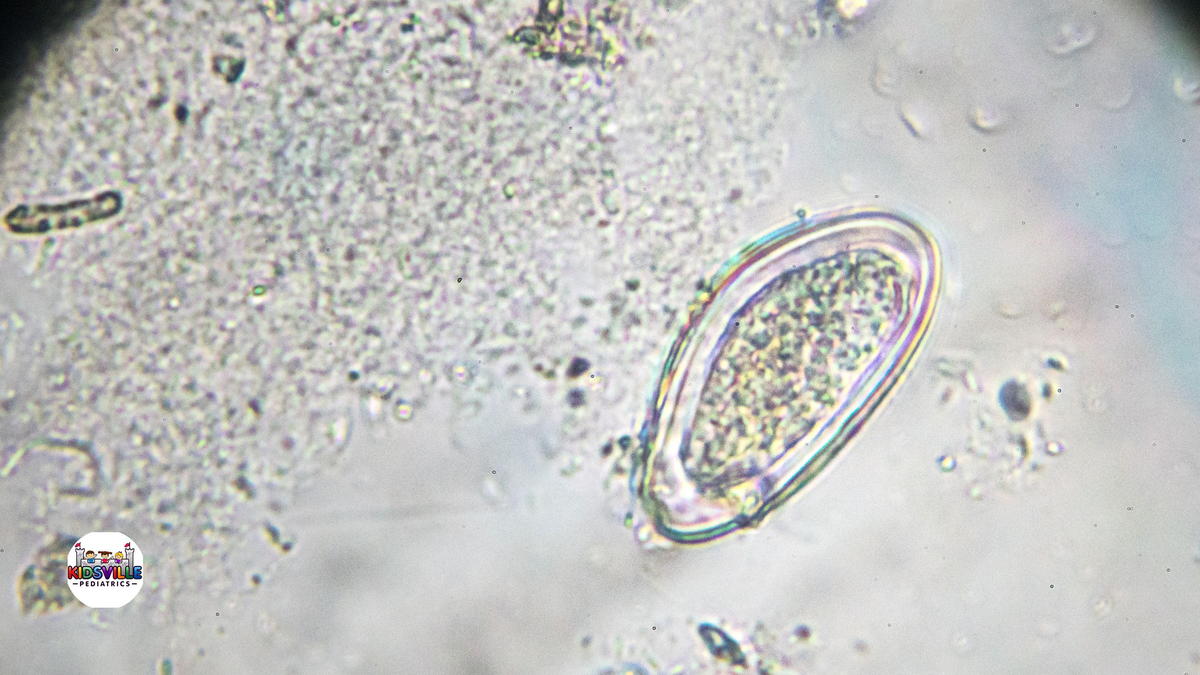
Pinworms are tiny, thread-like worms that often spread in environments where kids are close together, such as schools or daycare centers. At night, female pinworms migrate to the anal area to lay eggs, which causes itching. When your child scratches, the eggs can stick to their fingers and spread to others or back into their own system.
Roundworms (Ascaris species)
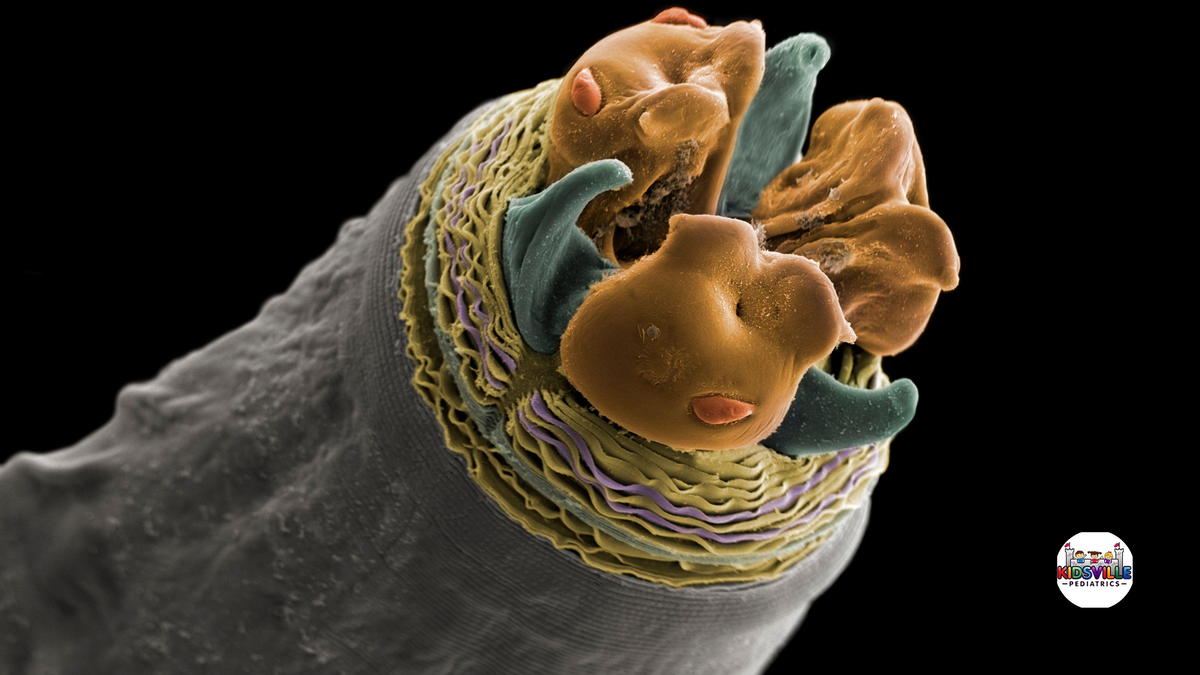
Roundworms live in the small intestine and can grow quite long. They spread when children accidentally ingest contaminated soil or food containing eggs. Since the eggs can survive in soil for weeks, even simple outdoor play can be a risk if proper hygiene isn’t practiced.
Hookworms (Ancylostoma duodenale, Necator americanus)
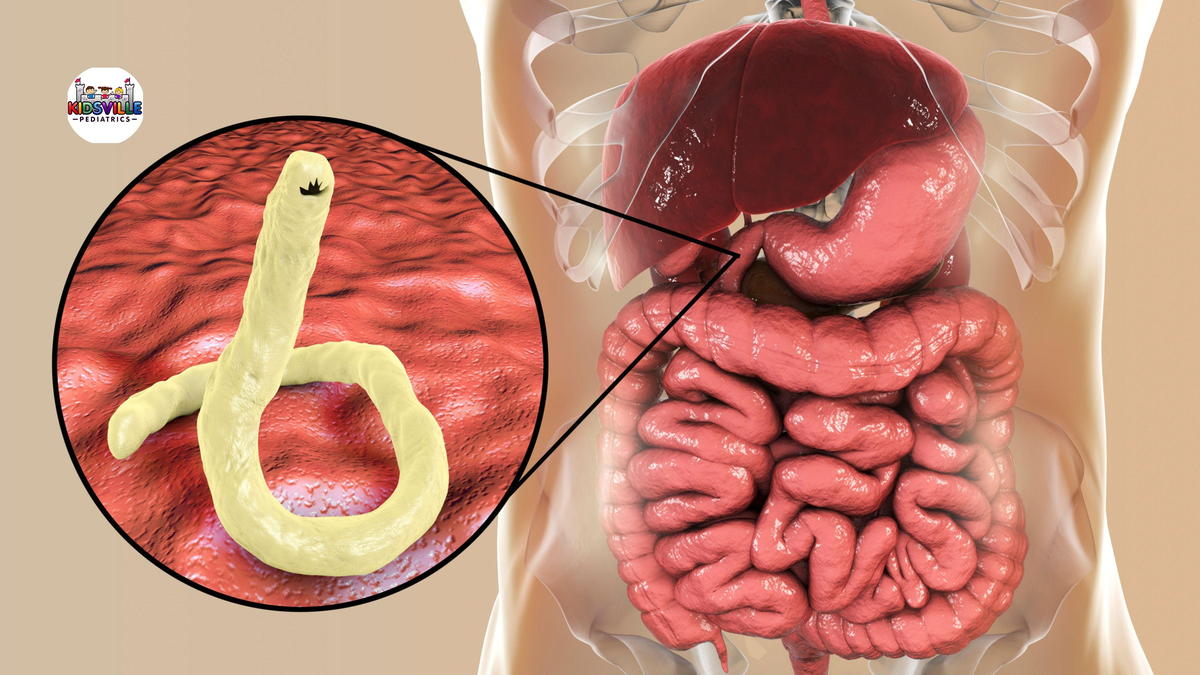
Unlike roundworms, hookworms usually enter through the skin. Walking barefoot on soil contaminated with feces is a common way children pick them up. Over time, hookworm infections may lead to anemia and poor nutrition.
Tapeworms (Taenia species)
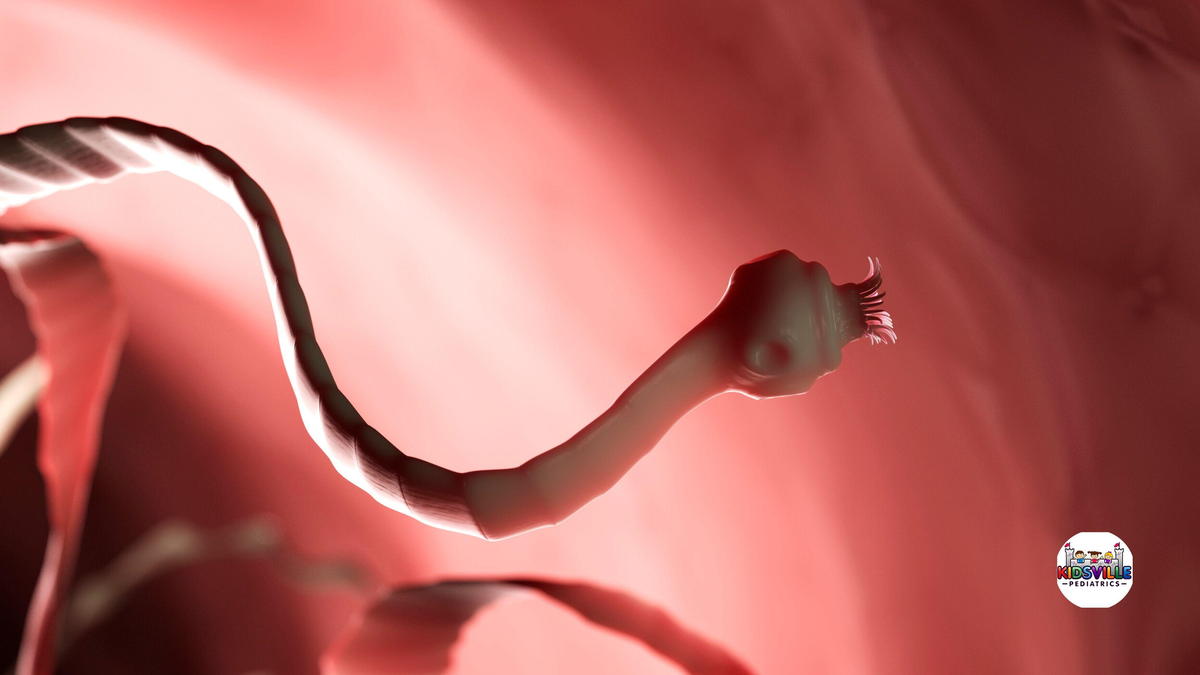
Tapeworms are ribbon-like worms that children can get from eating undercooked or contaminated meat. After entering the intestines, they may grow quite long and steal the nutrients your child’s body relies on for healthy growth.
Giardia
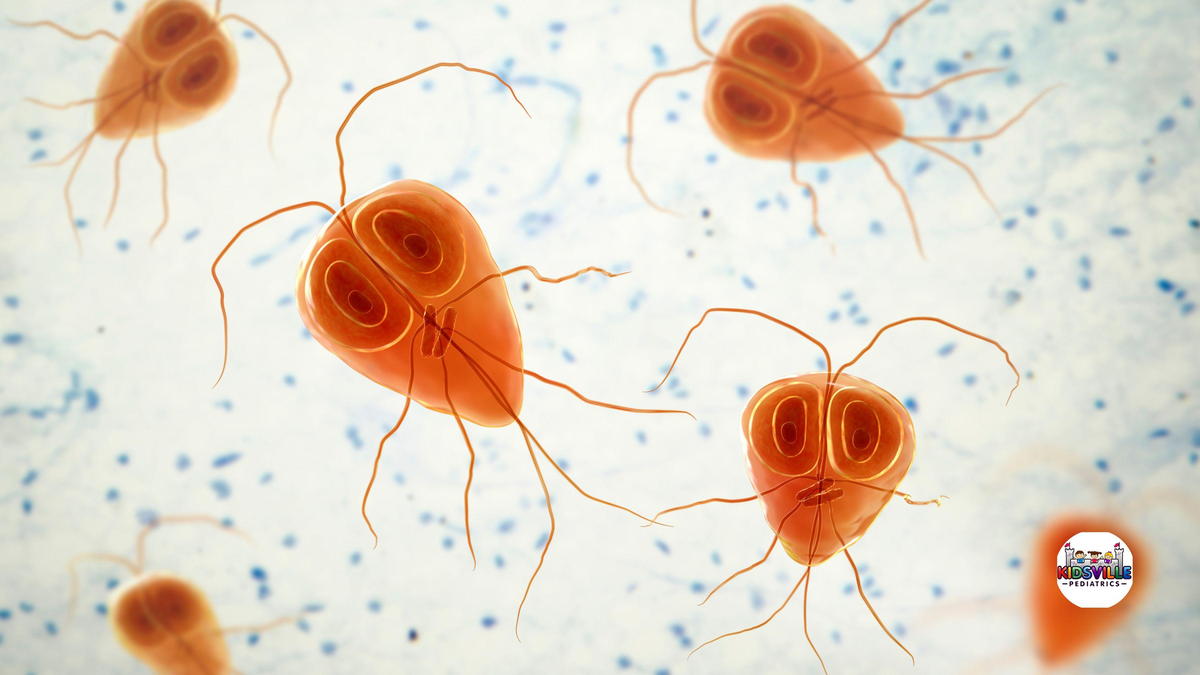
Giardia is a protozoan parasite that spreads through contaminated water or food. It often causes diarrhea and stomach discomfort in children. Person-to-person transmission is also possible, making it easy to pass in households or group care settings.
Common Symptoms

When your child has parasites, one of the earliest signs is recurring abdominal pain. This can feel like cramping or general discomfort and often doesn’t go away with typical remedies. Along with this, you may notice digestive issues such as diarrhea, constipation, bloating, gas, or even bouts of nausea and vomiting. These symptoms can make your child feel unsettled and affect their daily activities.
Changes in Weight and Energy
Unexplained weight loss, or a failure to gain weight at the expected rate, can be another indicator of a parasitic infection. Since parasites compete for the nutrients your child eats, they may struggle to maintain healthy growth. Fatigue and constant tiredness are also common. Even after enough rest, your child may still appear weak, worn out, or uninterested in play.
Sleep and Itching Concerns
Pinworm infections often bring on intense anal itching, especially at night. This discomfort can keep your child awake, leading to restless sleep or frequent waking. Difficulty sleeping may become a cycle that affects mood, concentration, and behavior during the day.
Other Signs to Watch For
Some parasitic infections show up on the skin, causing rashes, redness, or irritation. You may notice your child’s appetite changing, with periods of eating far less than usual or, at other times, eating more than expected. Certain worms cause anemia by draining the body’s iron, leaving your child pale or easily fatigued. In rare cases, you may even see a worm in their stool. Teeth grinding during sleep has also been linked with parasites in children, though it isn’t always present.
Diagnosis and Testing

Physical Exam
When you bring your child to a pediatrician in Southlake, the first step in diagnosing a possible parasitic infection is usually a thorough physical exam. The pediatrician will ask about symptoms, medical history, and any recent exposure risks, such as travel, pets, or time spent in group settings like schools and daycares.
Stool Exams
A common way to confirm infection is through stool testing. Your pediatrician Southlake expert may request what’s called an Ova and Parasite (O&P) test, which looks for eggs or parts of parasites under a microscope. To increase accuracy, you may be asked to collect multiple samples over several days, since some parasites only shed eggs at certain times. Specialized lab techniques can also help identify parasites that might otherwise be missed.
Other Specific Tests
If pinworms are suspected, your pediatrician may suggest a Scotch tape test. This involves placing sticky tape around the anus to capture eggs, which are then examined under a microscope. Blood tests can provide additional clues, showing signs like anemia or unusual white blood cell counts. Some advanced tests look for parasite antigens—proteins that signal an active infection—giving quicker results than traditional methods.
Imaging and Endoscopic Procedures
In more complex cases, imaging such as X-rays, ultrasounds, or CT scans may be used to spot adult worms or check for damage inside the intestines. An endoscopy or colonoscopy might also be recommended to directly view the digestive tract. These procedures are not always necessary, but they help in cases where symptoms remain unexplained.
By working closely with a trusted pediatrician in Southlake, you can ensure your child gets the right tests and an accurate diagnosis to guide effective treatment.
Treatment Options and Medications

Antiparasitic Drugs
When your child is diagnosed with a parasitic infection, treatment usually involves antiparasitic medication. The specific drug prescribed depends on the type of parasite and where the infection is located. Doctors commonly prescribe medications like albendazole, mebendazole, or pyrantel pamoate to treat intestinal worms. Protozoan infections like Giardia may require metronidazole, tinidazole, or nitazoxanide. Other conditions, such as tapeworms, respond well to drugs like niclosamide.
At Kidsville Pediatrics, your provider carefully chooses the right medication for your child and explains how and when to take it for the best results.
Home Care
Medication alone is not always enough—you also need to support recovery at home. Good hygiene plays a major role in preventing reinfection. Encourage your child to wash their hands often, especially after using the restroom and before eating. Launder your child’s bedding, clothes, and towels in hot water to help eliminate any remaining eggs or parasites.
If your child has ectoparasites like lice or scabies, regular bathing and thorough vacuuming of carpets, mattresses, and furniture help prevent the cycle from starting again.
Follow-Up Care
Make sure your child finishes the entire prescribed medicine, even if symptoms improve early. Sometimes, a second dose may be recommended a week or so after the first to ensure the parasites are fully eliminated. Your provider at Kidsville Pediatrics Southlake may also schedule follow-up visits to confirm your child is healing well and to check for any complications.
If symptoms return or new ones appear, it’s important to reach out right away. Staying consistent with treatment and follow-up not only ensures recovery but also protects your child from long-term health effects caused by parasitic infections.
