

As parents, our number one priority is keeping our children safe, healthy, and thriving. While we often think about nutrition, vaccines, and check-ups, there’s another silent threat that can harm a child’s development — lead poisoning. Though less talked about today than in decades past, lead exposure remains a serious concern, especially for families with small children.
Understanding the Dangers of Lead
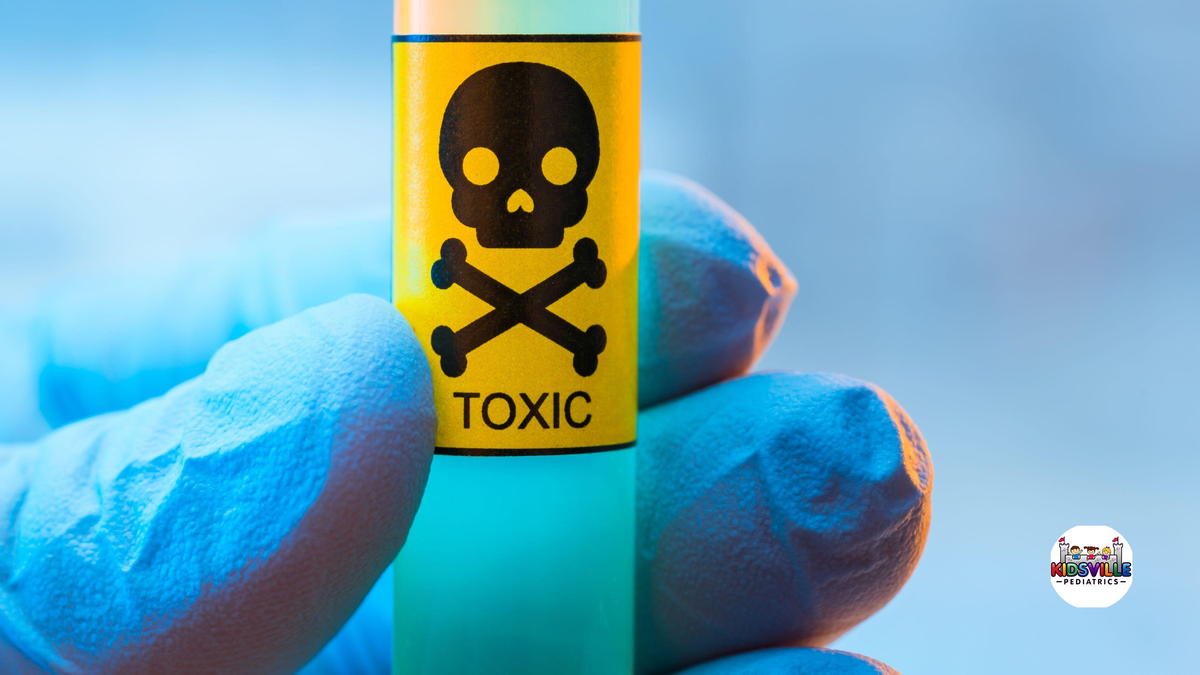
Lead is a toxic metal that, when it enters the body, interferes with brain development, growth, and overall health. Children under six years old are especially vulnerable because their growing bodies absorb lead more easily. Even small amounts can lead to lasting damage. This is why McKinney pediatricians regularly educate parents about where lead is found and how to prevent it.
Most parents don’t realize how many hidden sources of lead may exist in their homes or neighborhoods. Old homes with peeling paint, contaminated soil, certain water pipes, imported toys, and even some traditional remedies can all be culprits. A pediatrician McKinney may ask about your child’s living environment to help spot possible risks.
Lead poisoning is dangerous because its effects are often subtle at first. Children may seem tired, irritable, or complain of stomachaches. As exposure continues, more serious problems can develop, including learning difficulties, speech delays, poor attention, and slowed growth. A McKinney doctor will often recommend testing if a child shows unexplained developmental or behavioral changes.
Spotting the Symptoms Early
Unlike a fever or cough, lead exposure doesn’t always have obvious warning signs. Some children appear completely healthy while the damage builds silently. That’s why McKinney pediatrics doctors recommend routine screenings for children, especially if they live in older homes or have risk factors. Early detection can make a huge difference in protecting long-term health.
Diagnosis, Testing, and Treatment

Testing for lead poisoning is straightforward. A simple blood test can reveal your child’s lead levels. If elevated, the doctor will guide you through the next steps, which may include removing the source of exposure, dietary support, and sometimes medical treatment. Parents at our McKinney clinic often find relief knowing that the test is quick, safe, and can provide clear answers.
When a child is diagnosed with lead poisoning, treatment depends on how much lead is in their system. For mild cases, removing the source and improving nutrition may be enough. Foods rich in calcium, iron, and vitamin C can help the body block and absorb less lead. More serious cases may require chelation therapy — a special medicine that binds to lead and helps flush it from the body. McKinney pediatricians are trained to walk parents through these treatment options with care and compassion.
The most effective way to protect your child is to prevent exposure before it happens. Parents can:
Have old paint and dust tested for lead.
Run tap water for a few seconds before using it for cooking or drinking.
Wash children’s hands and toys often to reduce dust ingestion.
Make sure renovations are done safely if living in an older home.
Prevention is at the heart of what McKinney pediatricians emphasize during well-child visits.
Long-Term Impacts of Lead
The long-term effects of lead poisoning can range from mild learning challenges to significant intellectual and behavioral issues. While treatment helps reduce damage, prevention and early intervention remain key. That’s why your child’s routine checkups at Kidsville Pediatrics are so important — they provide opportunities to screen for risks before they become long-term problems.
Pedia Near Me: Kidsville Pediatrics McKinney
At Kidsville Pediatrics, we believe education is one of the most powerful tools in preventing lead poisoning. By helping parents understand where risks come from, what signs to look for, and how to seek testing, we empower families to take control of their children’s health. Partnering with a trusted McKinney pediatrics doctor means you’re never alone in safeguarding your child’s future.
Lead poisoning may be silent, but it doesn’t have to be overlooked. With the right knowledge, screenings, and guidance, parents can protect their children from its harmful effects. At Kidsville Pediatrics, our caring McKinney pediatricians are here to support families from infancy through the teenage years. If you have concerns about your home, your neighborhood, or your child’s development, don’t hesitate to reach out to our McKinney clinic. Together, we can ensure that your child grows up safe, strong, and healthy.
