
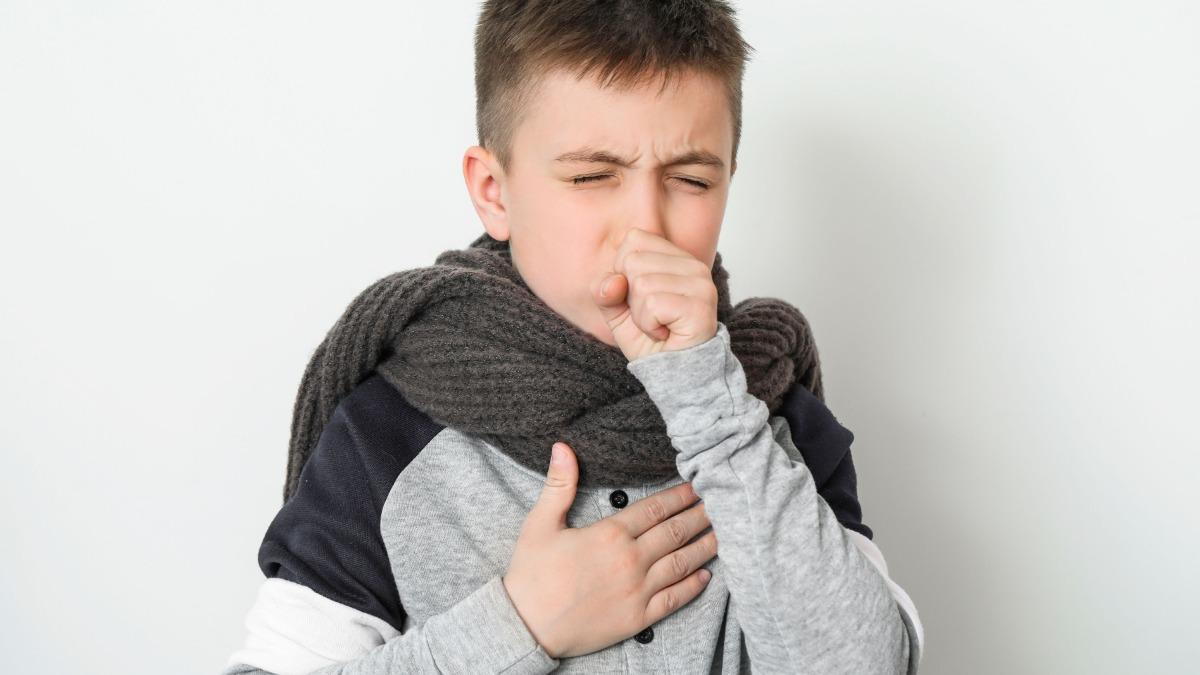
A lingering cough in children can worry any parent, especially when it keeps coming back or lasts for weeks. One common but often misunderstood cause is an allergy cough, which is triggered by the immune system’s reaction to allergens rather than an infection. Understanding how this type of cough develops, how it differs from illness-related coughs, and how it can be managed is essential for keeping children comfortable and healthy from toddlerhood through the teenage years.

Common Triggers of Allergy-Related Cough in Children
Allergy-related coughs are usually caused by everyday substances that a child breathes in. These allergens irritate the airways, leading to throat clearing, coughing, and postnasal drip.
Pollen is one of the most frequent triggers, especially during spring and fall. Trees, grasses, and weeds release pollen into the air, which can irritate a child’s nose and throat when inhaled.
Dust mites are microscopic organisms that thrive in bedding, carpets, stuffed toys, and upholstered furniture. Children are often exposed to dust mites while sleeping, making nighttime coughing a common symptom.
Pet dander, made up of tiny skin flakes and saliva proteins, can trigger coughing even in homes where pets are kept clean. Cats and dogs are the most common culprits, but small mammals and birds can also cause reactions.
Mold grows in damp, humid areas such as bathrooms, basements, and around air-conditioning units. Mold spores in the air can irritate sensitive airways and contribute to chronic coughing in children.
How to Differentiate Between Allergy Cough and Cold or Flu
Telling the difference between allergies and infections can be challenging, but certain patterns help distinguish them. A cold or flu often comes with fever, body aches, and fatigue, while allergy-related coughing usually does not.
An allergy cough tends to be dry and persistent, often worse at night or early in the morning due to postnasal drip. In contrast, coughs from colds may start dry but often become productive and resolve within one to two weeks.
Children with allergies may also have itchy eyes, frequent sneezing, and a clear runny nose. Cold and flu symptoms usually include thicker nasal discharge, sore throat, and general discomfort. If the cough lingers for weeks without signs of infection, allergies are more likely the cause.

Seasonal vs. Perennial Allergy Cough
Some children only experience symptoms during certain times of the year, while others struggle year-round. Seasonal allergy coughs are linked to pollen from trees, grasses, and weeds, making symptoms more noticeable in spring, summer, or fall.
Perennial allergies occur throughout the year and are commonly caused by indoor allergens such as dust mites, pet dander, and mold. Children with perennial allergies may seem to have a constant cough that never fully disappears, especially when spending long periods indoors.
Understanding whether symptoms are seasonal or ongoing helps parents and healthcare providers determine the most effective management approach.
Treatment Options for Allergy Cough
Managing an allergy cough often requires a combination of medical treatment and environmental control. Antihistamines are commonly used to reduce the body’s allergic response and relieve symptoms like sneezing, itching, and coughing.
Nasal corticosteroid sprays help reduce inflammation in the nasal passages, which can significantly decrease postnasal drip and coughing. These sprays are often recommended for children with moderate to severe symptoms.
In some cases, doctors may suggest additional treatments such as leukotriene modifiers or inhalers, particularly if the child also has asthma. Lifestyle modifications, including reducing allergen exposure at home and school, play a crucial role in long-term symptom control.
For families seeking guidance, consulting a trusted pediatrician in Mansfield can help ensure treatments are safe, age-appropriate, and effective.

Home Remedies and Environmental Changes to Reduce Allergy Cough
Simple changes at home can make a big difference in reducing symptoms. Air purifiers with HEPA filters can help remove allergens from indoor air, especially in bedrooms where children spend many hours.
Regular dust control is essential. Washing bedding weekly in hot water, using dust-mite-proof mattress and pillow covers, and minimizing stuffed toys in sleeping areas can significantly lower allergen exposure.
Humidifiers can be helpful in dry environments by keeping airways moist, but they must be cleaned regularly to prevent mold growth. Keeping indoor humidity between 30 and 50 percent is ideal.
Parents often find that working with a knowledgeable doctor in Mansfield provides practical advice tailored to their home environment and their child’s specific triggers.
When to See a Pediatrician for a Persistent Allergy Cough
While many allergy-related coughs can be managed at home, certain warning signs require medical attention. A cough that lasts more than three to four weeks, disrupts sleep, or interferes with daily activities should be evaluated.
Other red flags include wheezing, shortness of breath, chest tightness, or coughing that worsens with physical activity. These symptoms may suggest asthma or another underlying condition that needs proper diagnosis and treatment.
Children who experience frequent coughing episodes or have a family history of allergies or asthma may benefit from allergy testing. Mansfield pediatrics experts are well-equipped to assess persistent symptoms and develop a comprehensive care plan.
Pedia Near Me: Preventing Allergy Cough Flare-Ups
Prevention focuses on reducing exposure to known allergens and strengthening long-term control. Allergy-proofing the home by using washable curtains, vacuuming with HEPA filters, and keeping pets out of bedrooms can help minimize triggers.
Immunotherapy, such as allergy shots or sublingual tablets, may be recommended for children with severe or persistent allergies. This approach gradually trains the immune system to tolerate allergens, reducing symptoms over time.
Proactive measures include monitoring pollen counts, keeping windows closed during high-pollen days, and encouraging children to shower after outdoor play to remove allergens from their skin and hair. Families supported by Mansfield pediatrics TX providers often find that a consistent prevention plan leads to fewer flare-ups and better overall quality of life.
In conclusion, an allergy cough can be frustrating for both children and parents, but with proper understanding, treatment, and prevention strategies, it can be effectively managed. By recognizing triggers, distinguishing allergies from infections, and seeking timely medical guidance, parents can help their children breathe easier and stay active and healthy throughout the year.
