
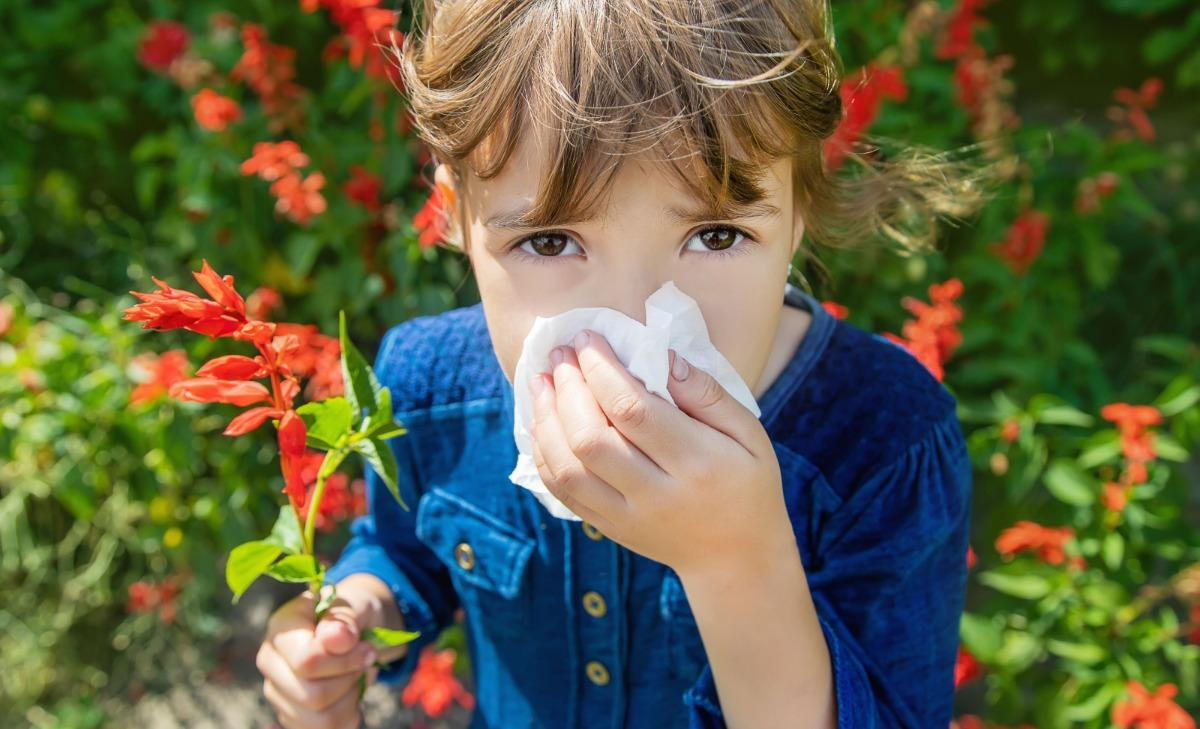
Allergies in children are a growing concern for parents and caregivers. These reactions occur when the immune system mistakenly identifies a harmless substance as a threat, triggering various symptoms that can range from mild discomfort to life-threatening conditions. Understanding the different types of allergies in children is essential for early detection, proper management, and ensuring a child's well-being.
Allergies in Children #1: Food Allergies

Food allergies are among the most common types of allergies in children, with certain foods being more likely to trigger reactions than others. Studies indicate that food allergies affect approximately 6-8% of children under age three, making them a significant health concern. Southlake doctors emphasize the importance of early identification and management to help prevent severe allergic reactions.
Common Triggers:
Milk
Eggs
Peanuts
Tree nuts (almonds, walnuts, cashews, etc.)
Soy
Wheat
Fish
Shellfish
Symptoms:
Hives
Swelling of the lips, face, or tongue
Vomiting or diarrhea
Difficulty breathing or wheezing
Anaphylaxis (a severe, life-threatening reaction requiring immediate medical attention)
Food allergies often appear early in life, and while some children outgrow them, others must manage them long-term. Avoidance of trigger foods and carrying an epinephrine auto-injector (EpiPen) for severe cases are essential. Southlake pediatrics experts emphasize the importance of early introduction of allergenic foods in small amounts to help reduce the risk of developing food allergies.
Diagnosis and Treatment:
Diagnosing food allergies typically involves a combination of skin prick tests, blood tests, and food elimination diets. Pediatric allergists may also conduct oral food challenges under medical supervision.
A Southlake pediatrician can guide families on treatment options, including strict avoidance of trigger foods, using antihistamines for mild reactions, and carrying an EpiPen in case of anaphylaxis. Parents should educate caregivers, teachers, and other adults in the child's life about food allergies and emergency response plans.
Parents should also be aware of hidden allergens in processed foods, where cross-contamination may occur. Southlake pediatricians recommend reading ingredient labels carefully and communicating dietary restrictions in restaurants or social gatherings to prevent accidental exposure.
Allergies in Children #2: Seasonal Allergies (Hay Fever / Allergic Rhinitis)

Seasonal allergies, also known as hay fever or allergic rhinitis, occur when children react to airborne allergens, primarily pollen from trees, grasses, and weeds. These allergies affect approximately 10-30% of children worldwide and tend to worsen during peak pollen seasons.
Common Triggers:
Tree pollen (spring)
Grass pollen (summer)
Weed pollen (fall)
Symptoms:
Sneezing
Runny or stuffy nose
Itchy, watery eyes
Postnasal drip and cough
Fatigue due to disrupted sleep from congestion
Managing Seasonal Allergies:
Managing seasonal allergies involves limiting outdoor exposure during peak pollen seasons, using antihistamines as needed, and ensuring indoor air quality is optimized with air purifiers and clean filters. Wearing sunglasses outdoors and showering after coming inside can also help minimize pollen exposure. For children with severe allergic rhinitis, a pediatrician Southlake expert may recommend allergy shots (immunotherapy) to build tolerance over time.
Additionally, keeping windows closed during high pollen seasons, using high-efficiency particulate air (HEPA) filters, and frequently washing hands and clothing can further reduce allergen exposure. Parents should monitor pollen forecasts and limit outdoor activities on days when pollen counts are particularly high.
Allergies in Children #3: Skin Allergies

Skin allergies manifest as rashes, redness, or irritation in response to allergens. The most common types of skin allergies in children include eczema, contact dermatitis, and hives.
Eczema (Atopic Dermatitis):
A long-term condition characterized by dry, itchy, and inflamed skin.
Can be triggered by allergens, stress, weather changes, and irritants like soaps or fabrics.
Treatment includes moisturizing, avoiding triggers, and using topical creams.
Contact Dermatitis:
A reaction caused by direct contact with allergens like soaps, detergents, perfumes, latex, or poison ivy.
Symptoms include redness, swelling, itching, and sometimes blistering.
Treatment involves avoiding triggers and using soothing creams.
Hives (Urticaria):
Raised, red, itchy welts that appear suddenly.
Often triggered by food, medications, insect stings, or temperature changes.
Antihistamines can help relieve symptoms.
Parents of children with eczema should establish a consistent skincare routine that includes hypoallergenic moisturizers and mild, fragrance-free soaps. It is also helpful to use soft, breathable fabrics such as cotton to minimize skin irritation.
Allergies in Children #4: Respiratory Allergies (Asthma and Allergic Rhinitis)

Respiratory allergies, including asthma, are common in children and can significantly impact daily activities. Allergic asthma is one of the leading causes of emergency room visits in children.
Common Triggers:
Dust mites
Mold spores
Pet dander
Pollen
Smoke
Symptoms:
Wheezing and shortness of breath
Persistent cough
Chest tightness
Children with allergic asthma require proper medical management, including inhalers, allergy medications, and strategies to reduce exposure to airborne triggers. Kidsville Pediatrics Southlake offers allergy testing to help identify specific triggers and create a personalized management plan. Keeping the home clean and well-ventilated, washing bedding frequently, and using air purifiers can help minimize triggers.
Parents should be cautious about using strong chemical cleaners or air fresheners that can exacerbate respiratory allergies. Instead, natural cleaning alternatives, such as vinegar and baking soda, can be used.
Allergies in Children #5: Insect Allergies

Certain children react severely to insect stings or bites, requiring prompt medical attention.
Common Triggers:
Bee stings
Wasp stings
Fire ant bites
Symptoms:
Swelling and redness at the sting site
Severe itching or rash
Breathing difficulties and anaphylaxis in extreme cases
For children with insect allergies, avoiding areas where stinging insects are common and carrying an epinephrine auto-injector is crucial. Kidsville Pediatrics advises wearing protective clothing and using insect repellents to help prevent bites.
6. Medication Allergies

Some children experience allergic reactions to medications, which can be unpredictable and dangerous.
Common Triggers:
Antibiotics (such as penicillin)
Nonsteroidal anti-inflammatory drugs (NSAIDs) like ibuprofen or aspirin
Symptoms:
Rash or hives
Swelling of the face, lips, or throat
Anaphylaxis in severe cases
Parents should always inform healthcare providers of known medication allergies and observe children closely after administering new medications. A pediatrician in Southlake can provide guidance, and if a medication allergy is suspected, an allergist may perform skin or blood tests to confirm the diagnosis.
Pedia Near Me: Kidsville Pediatrics Southlake
Allergies in children come in many forms, affecting their skin, respiratory system, and overall health. Identifying triggers, minimizing exposure, and seeking medical guidance when necessary are key to managing these conditions effectively. If you suspect your child has an allergy, consulting a Southlake pediatrician or allergist can help create a personalized management plan to ensure your child remains healthy and comfortable.
Beyond medical treatment, raising awareness about allergies in schools, daycare centers, and social settings can prevent accidental exposure and ensure children's safety. Kidsville Pediatrics Southlake encourages parents to work closely with schools to implement allergy action plans and educate teachers and caregivers about emergency protocols. Additionally, advocacy groups and online resources provide support for families navigating childhood allergies.
By understanding different allergies and their management, parents can help their children lead active and fulfilling lives while minimizing health risks. Ongoing research continues to shed light on new treatments and preventive strategies, offering hope for better management for allergies in children in the future.
