
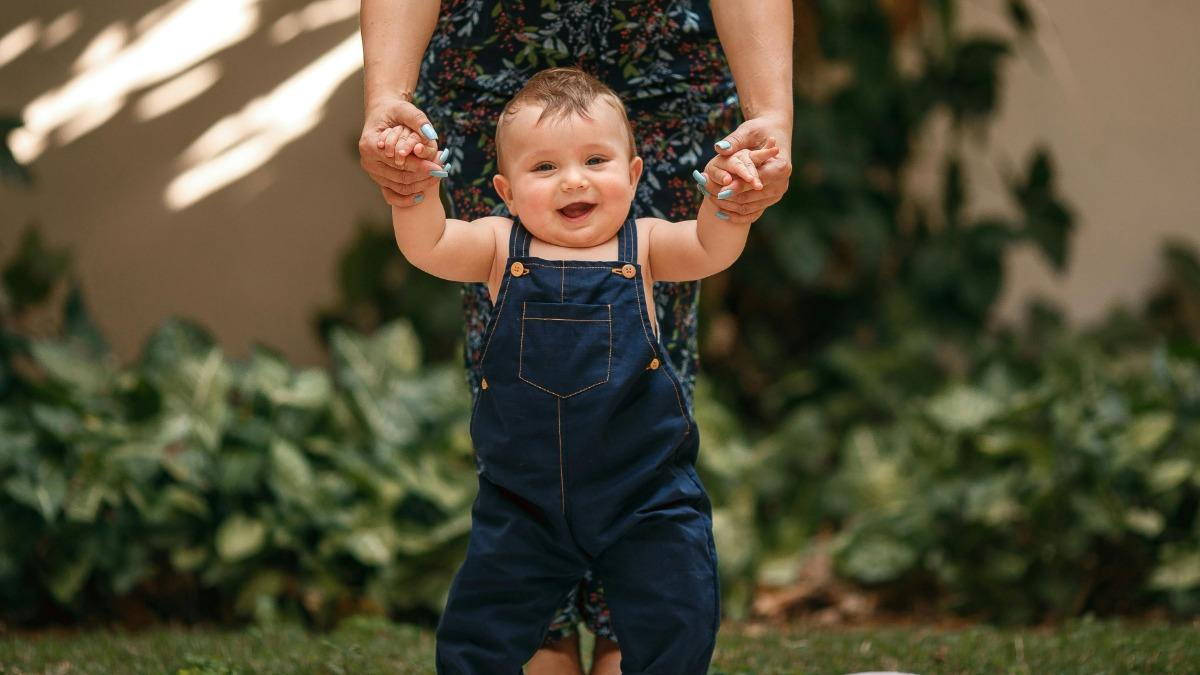
Watching your baby grow during the first year is an incredible experience filled with rapid changes, surprises, and small victories. Understanding baby milestones helps parents know what to expect, recognize healthy development, and feel reassured as their child grows at their own pace. While every child develops differently, month-by-month milestones offer helpful guidance for tracking physical, emotional, social, and cognitive growth during infancy.
Year 0–1: The First Year of Baby Milestones
The first year of life is marked by extraordinary development. Babies move from reflexive newborn behaviors to purposeful movement, communication, and early independence. Below is a detailed month-by-month guide to help parents understand these important stages.

Newborn (0–1 Month)
In the first weeks of life, babies are adjusting to the world outside the womb. Most movements are reflex-driven, including rooting for food, grasping fingers, and the Moro reflex when startled. Newborns can briefly lift their heads during tummy time and are sensitive to sounds, often startling at sudden noises. Eye contact is short but meaningful, laying the foundation for early bonding. At this stage, pediatricians focus on feeding, weight gain, sleep patterns, and early parent-child attachment, which are priorities emphasized at Kidsville Pediatrics.
2 Months
By two months, babies become more socially expressive. Social smiles emerge, often in response to familiar faces and voices. Head control improves as neck muscles strengthen, allowing babies to hold their heads up for longer periods. Cooing sounds begin, signaling early communication skills. Babies can track moving objects with their eyes and show recognition of primary caregivers, reinforcing emotional connection and trust.

3 Months
At three months, babies develop stronger neck and upper body control, making tummy time more productive. Hands open and close with more intention, and babies begin bringing their hands together. Laughter and vocal play appear, showing enjoyment and social engagement. Babies begin responding more reliably to familiar voices while developing hand-eye coordination, an important sensory milestone commonly observed during routine visits with a Southlake TX pediatrician.
4 Months
Four-month-old babies often achieve major movement milestones. Rolling from tummy to back becomes common, and reaching for toys reflects improved coordination. Babbling begins, introducing consonant sounds alongside coos. Babies show increased curiosity about their surroundings and begin recognizing daily routines such as feeding and bedtime, which helps establish predictability and comfort.

5 Months
At five months, babies gain better control over their movements. Many can roll both ways and sit with support. Exploring objects with their mouths is a normal way to learn about textures and shapes. Babies respond to their names and express a wider range of emotions, including joy and frustration. This emotional expression is a sign of growing self-awareness and social development.
6 Months
Six months marks a major transition. Many babies can sit independently and begin solid foods with guidance. They learn to transfer objects between hands and show clearer emotional responses, such as excitement or distress. Stranger awareness may begin, as babies become more selective about who they feel comfortable with. Families visiting the Southlake clinic often ask about nutrition, sleep routines, and safety during this milestone-heavy stage.

7 Months
By seven months, sitting balance improves, allowing babies to play more freely with toys. Babbling becomes more complex, with repeated syllables like “ba-ba” or “da-da.” Babies start responding to the word “no,” though understanding is still developing. Recognizing familiar faces and exploring objects with intention reflect growing cognitive skills and memory.
8 Months
Eight-month-old babies are typically on the move. Crawling or scooting begins, and many pull themselves up to stand using furniture. Separation anxiety may emerge as babies form strong attachments to caregivers. Understanding cause and effect develops through play, and babies often imitate sounds they hear, reinforcing early language development supported by Southlake doctors.
9 Months
At nine months, babies may cruise along furniture and use gestures such as pointing or waving to communicate. They respond to simple words and enjoy problem-solving activities like stacking or uncovering toys. Strong attachment to caregivers continues, and babies seek reassurance when exploring new environments. These behaviors highlight growing independence balanced with emotional security.
10 Months
Ten-month-old babies often stand briefly without support and develop a refined pincer grasp, using thumb and forefinger to pick up small objects. They enjoy repeating sounds and actions, which supports learning through repetition. Testing boundaries becomes more noticeable, and babies begin understanding simple commands, especially when paired with gestures.

11 Months
At eleven months, many babies attempt their first independent steps or prepare to walk. They start using objects correctly, such as holding a phone to their ear or attempting to use a spoon. Imitating adult behavior becomes common, and babies respond consistently to their names. Expressing preferences for foods, toys, or people shows growing autonomy, a topic often discussed with a pediatrician Southlake parents trust.
12 Months
By twelve months, babies often say their first words and may take their first steps. They follow simple directions, clap, wave, and point to communicate needs and interests. This stage celebrates independence while maintaining strong caregiver bonds. Families working with a pediatrician in Southlake often focus on language development, nutrition transitions, and safety as babies move into toddlerhood.
Baby Milestones: Supporting Your Child’s Development
Understanding baby milestones helps parents celebrate progress while recognizing that development is not a race. Some babies reach milestones earlier, while others take a bit more time, and both patterns are typically normal. Regular well-child visits with a Southlake TX Pediatrician ensure developmental progress is monitored and concerns are addressed early.
As your child grows, continued guidance from Kidsville Pediatrics Southlake supports families through every stage of development, from infancy to adolescence. Staying informed, responsive, and connected with your child’s healthcare provider helps build a strong foundation for lifelong health and confidence.
